
Vision
“To uphold the rule of law and effectively dispense justice to all citizens of the Kingdom, ensuring that the judiciary maintains its independence and respect.”
Our Mandate
Upholding justice, preserving independence, serving the nation.
“To uphold the rule of law and effectively dispense justice to all citizens of the Kingdom, ensuring that the judiciary maintains its independence and respect.”
“To administer justice fairly and to all members of society regardless of status, to uphold the provisions of the Constitution of the country, and to offer public service of the highest standard.”
We uphold the highest standards of ethical conduct and moral principles.
We make decisions without bias, treating all parties equally.
We treat all individuals with dignity and courtesy.
We strive for the highest quality in all our services and procedures.
We maintain our autonomy from external influences in judicial decisions.
We take responsibility for our actions and decisions.
The judicial power of Eswatini is vested in the Judiciary, which is independent and subject only to the Constitution. The courts are the guardians of the Constitution and the rule of law.
Judicial power is derived from the people and shall be exercised by the courts established under the Constitution.
The courts are independent and subject only to the Constitution and the law, which they shall apply impartially without fear, favour or prejudice.
No person or organ of state shall interfere with judges or judicial officers in the exercise of their judicial functions.
The Judiciary shall have jurisdiction over all civil and criminal matters in the country, and shall have the power to punish for contempt of court.
The judiciary is organised in tiers, from the apex Supreme Court through the superior courts to the specialized and first instance courts, supported by dedicated administrative offices.
The apex court of the Kingdom and the final court of appeal for all matters.
The superior courts, exercising original and appellate jurisdiction.
Magistrate Courts, the Industrial Court, the Small Claims Court, and Swazi National Courts.
The Master of the High Court and the Judicial Commissioner.
Each court has specific jurisdictional limits, both in monetary value and subject matter. The Supreme Court has unlimited jurisdiction as the final appellate court; the High Court has original jurisdiction in all civil and criminal matters.
Appeals generally follow the court hierarchy. Decisions of the Magistrate Courts can be appealed to the High Court, and decisions of the High Court to the Supreme Court, the final court of appeal.
The Industrial Court handles labour disputes, the Commercial Court deals with commercial matters, and the Small Claims Court handles minor civil claims. Swazi National Courts apply Swazi customary law.
The judiciary is committed to access to justice for all citizens: legal aid services, translators for court proceedings, and accessible court facilities for people with disabilities.
The Chief Justice heads the Judiciary and carries statutory and administrative responsibilities for the effective functioning of the courts.
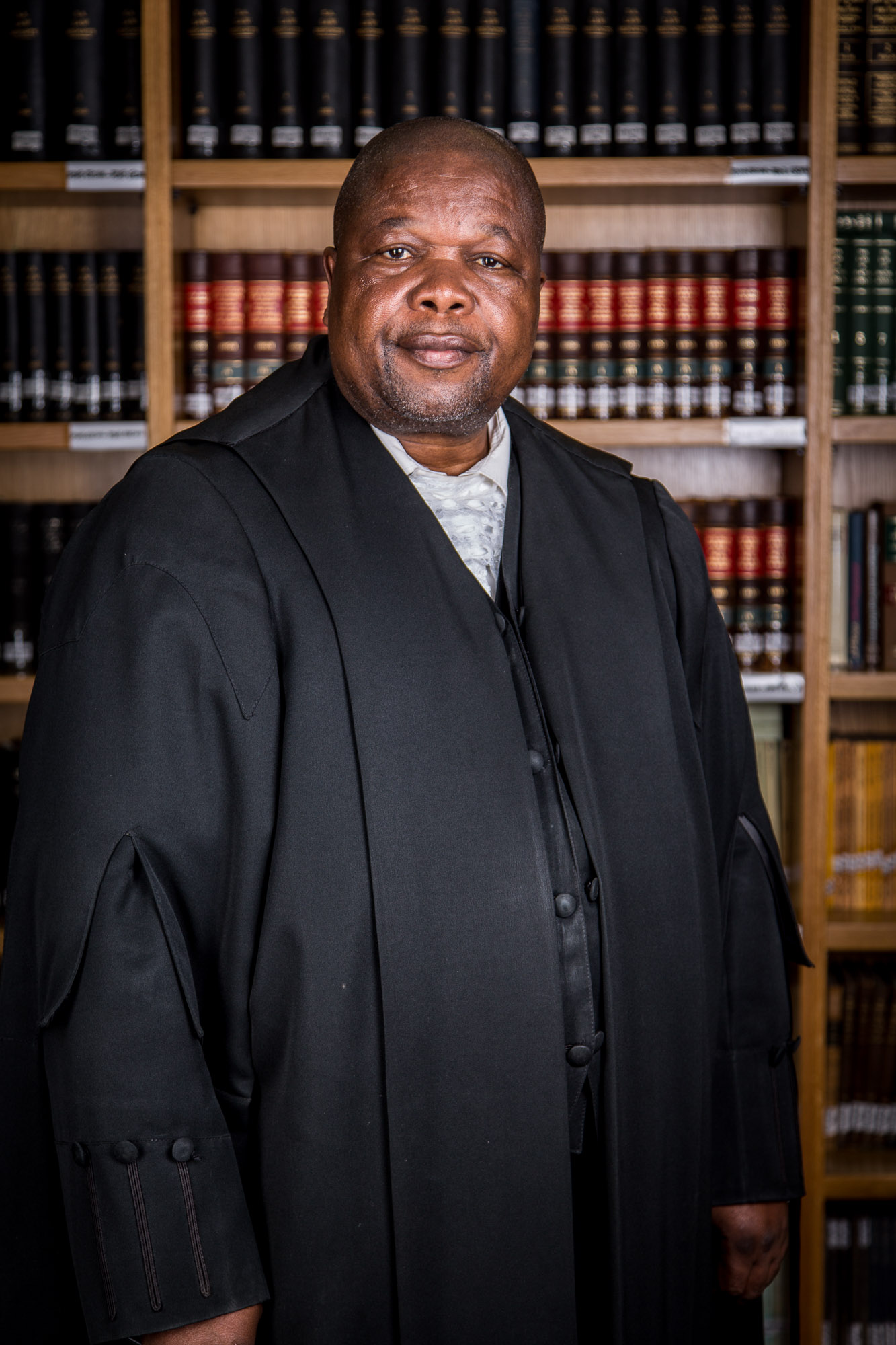
Head of the Judiciary
Hon. Chief Justice Bhekie M. C. Maphalala
The Chief Justice presides over the Supreme Court, leads the Judiciary of Eswatini, and chairs the Judicial Service Commission. He also serves as Chairperson of the Southern and Eastern Africa Chief Justices’ Forum (SEACJF).
Monitor and evaluate judicial performance to ensure efficient administration of justice.
Establish and maintain administrative procedures for effective court operations.
Prepare and submit annual reports on the functioning of the judiciary.
Provide recommendations for improving judicial administration and operations.
Oversee and manage judicial staff to ensure efficient court operations.
Chair the Judicial Service Commission responsible for judicial appointments and discipline.
Judicial independence is a cornerstone of the rule of law in Eswatini. It ensures that judges and other judicial officers can perform their duties free from any external pressure or influence, making decisions based solely on facts and law.
The judiciary operates as a separate branch of government, with its own structure and administration.
Judges are free to decide cases impartially, based solely on facts and proper application of the law.
The judiciary has its own budget allocation to ensure operational independence.
Judges hold office until retirement, subject only to removal for proven misbehaviour or incapacity.
The judiciary controls its internal operations, case assignments, and court procedures.
The judiciary of Eswatini has evolved over time, from traditional systems of dispute resolution to the modern court system that operates today. The current judicial system combines elements of Roman-Dutch common law with Swazi customary law.

Justice was administered through traditional Swazi systems, with chiefs and eventually the king serving as final arbiters.
British colonial administration introduced Roman-Dutch law and formal court structures alongside traditional systems.
Eswatini gained independence and established its own judiciary while maintaining parts of the colonial legal framework.
The adoption of the 2005 Constitution strengthened judicial independence and reformed the court structure.
Continued refinement of the dual legal system, with ongoing efforts to harmonize traditional Swazi customary law with modern legal principles.
Explore detailed information about different courts and their functions, or get in touch if you have any questions.