
Chief Justice
Presides over the Supreme Court and leads the Judiciary of Eswatini.
The Apex Court
The final court of appeal of Eswatini. Its composition is governed by section 145 of the Constitution, and its appellate, review and supervisory jurisdiction by sections 146 to 148.
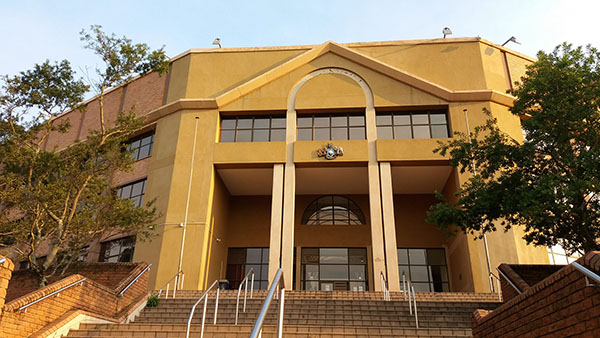
The Supreme Court of Eswatini is the final court of appeal. It is established and constituted under Part 2(a) of Chapter VIII of the Constitution: its composition is governed by section 145, and its appellate, review and supervisory jurisdiction by sections 146 to 148 and any other applicable law. It ensures consistency in the application of law, interprets the Constitution, and serves as the final arbiter of justice for both civil and criminal matters.
As the apex court in the judicial hierarchy, the Supreme Court’s decisions are binding on all lower courts and establish legal precedents that guide the development of Eswatini’s legal system.
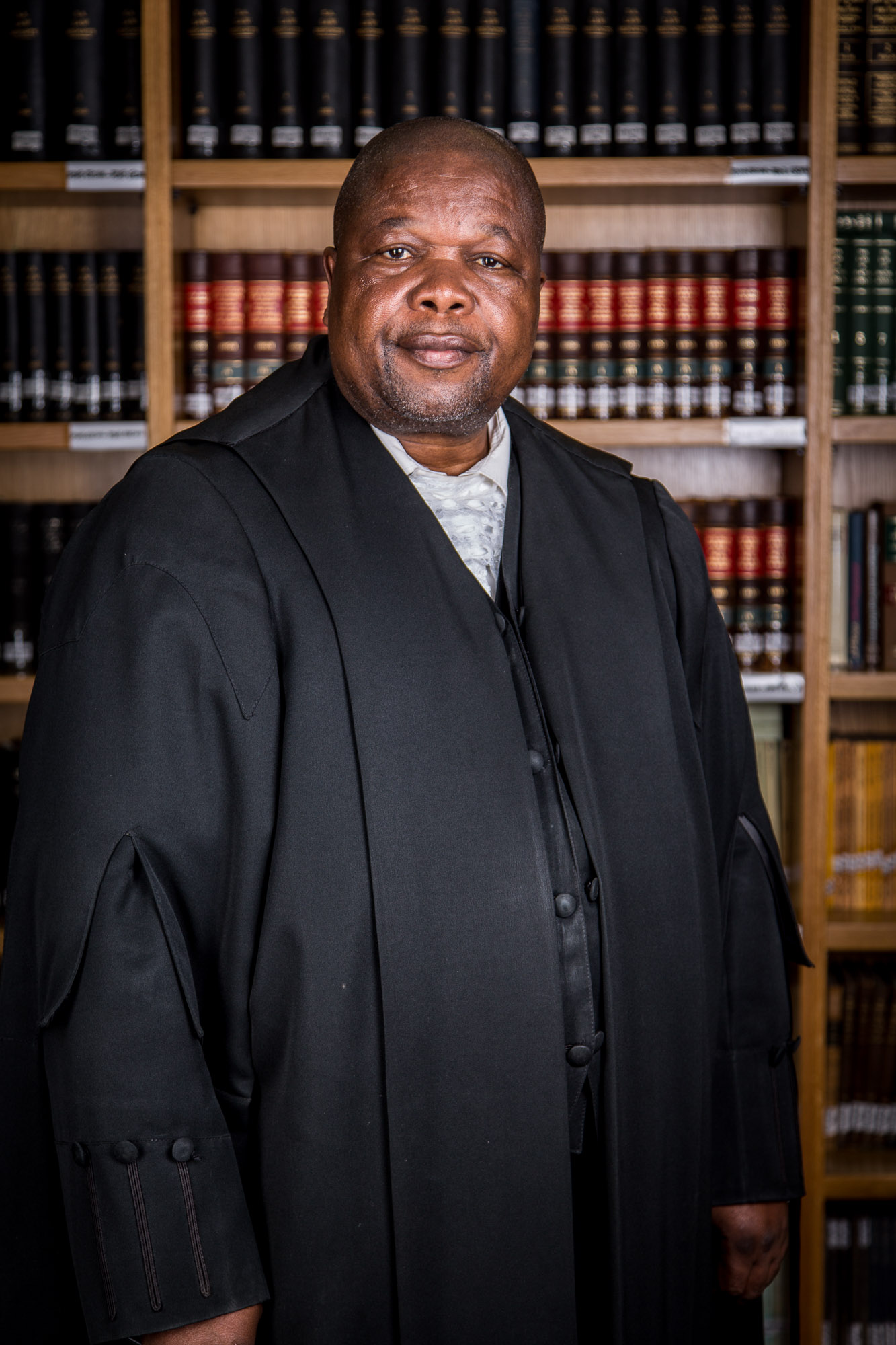
Presides over the Supreme Court and leads the Judiciary of Eswatini.
Appointed by His Majesty the King on the advice of the Judicial Service Commission.
The Court consists of the Chief Justice and not fewer than four other Justices (Constitution, section 145(1)).
For its ordinary work the Court is duly constituted by not fewer than three Justices; a full bench consists of five Justices (Constitution, section 145(2) and (3)).
The Court sits in regular sessions, usually in May and November of each year.
File within 20 days of the lower court’s judgment; cross-appeals must follow within 15 days of receipt.
Compile pleadings, judgments, and evidence; certify via the Registrar.
Submit written submissions at least 20 days before the hearing.
Serve all documents on respondents upon filing.
Attend at the Registrar’s direction to finalize logistics.
Apply first in the High Court; if refused, escalate to the Supreme Court with an affidavit and sureties (Criminal Form 7).
Include charge sheets, transcripts of proceedings, and judgments.
Mandatory automatic review by the Supreme Court.
Right to be present unless waived for security or public health reasons; free counsel for murder and treason appeals when indigent.
File certified record within 40 days of lodging the appeal; exclude irrelevant material.
Appellants must provide security for respondents’ costs unless exempt (e.g. government entities).
Heads of argument due 20 days before hearing; respondent replies 15 days prior.
Demonstrate inability to pay fees via affidavit.
Granted where counsel certifies substantial grounds for appeal.
Admitted only if unavailable during the original trial despite due diligence; file via affidavit or oral examination.
Permitted on grounds of fraud, miscarriage of justice, or after discovery of new evidence; file within 20 days of the impugned decision.
Constitutional review of lower court or tribunal decisions. The Supreme Court’s supervisory jurisdiction allows it to oversee the functioning of all courts and tribunals to ensure compliance with constitutional principles and proper administration of justice.
Requires consent of the accused unless delay risks frustration of justice.
Default unless there is good reason to require in-person attendance.
May and November annually.
Convened by the Chief Justice as needed.
Typically 2–3 weeks per session; schedules published at the start of each session.
Head of the Judiciary who presides over the Supreme Court.
Appointed members of the Supreme Court bench.
Administrative head responsible for court operations.
Assists the Registrar in administrative functions.
Various personnel supporting court operations.
Hearings are open to the public subject to space and security.
Mandatory at the building entrance.
Photography and recording are prohibited without leave of the Court.
Business attire required.
Stand when the Court enters and exits; speak only when recognized.